Discounts to over-60s on all repairs & installationsDiscounts to over-60s on all repairs & installationsDiscounts to over-60s on all repairs & installationsDiscounts to over-60s on all repairs & installationsDiscounts to over-60s on all repairs & installationsDiscounts to over-60s on all repairs & installations
Double glazing can help reduce noise when the units, seals, frames and closing pressure are in good condition. If noise has become worse, check seals, hinges, gaps and frame condition before assuming replacement is the only route.
Double glazing can help reduce noise when the units, seals, frames and closing pressure are in good condition. If noise has become worse, check seals, hinges, gaps and frame condition before assuming replacement is the only route.
Visible proof customers can recognise
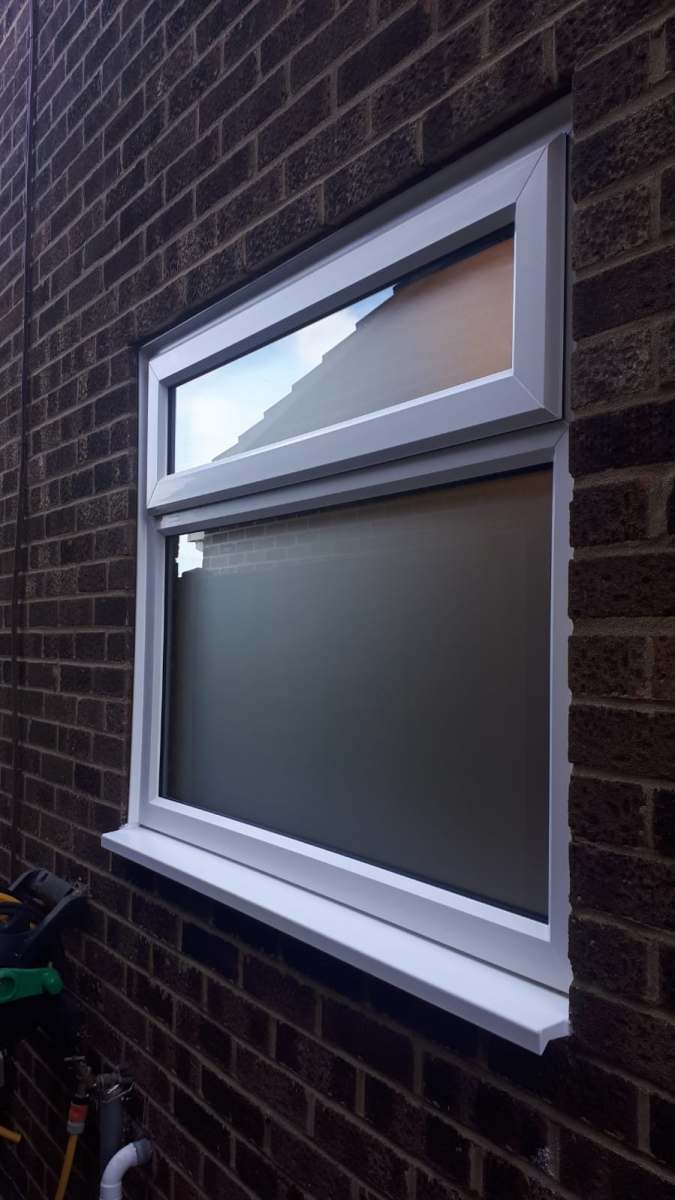
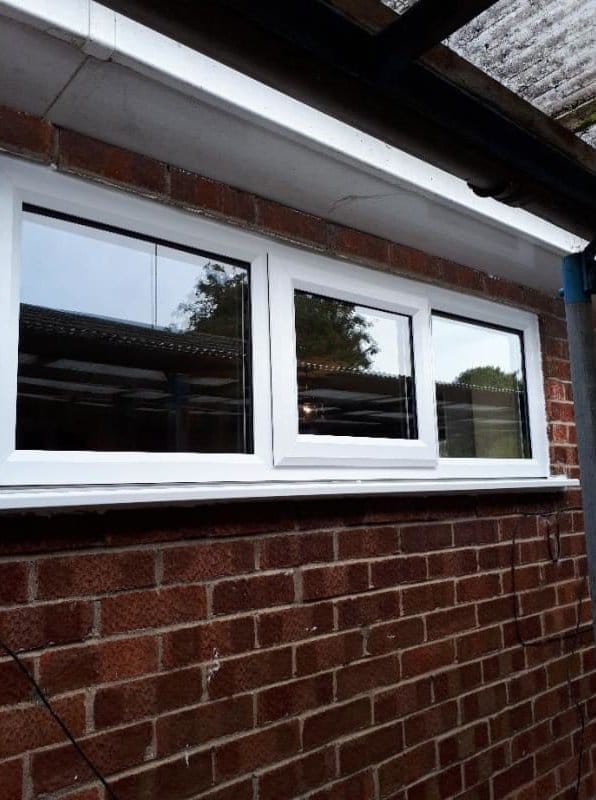
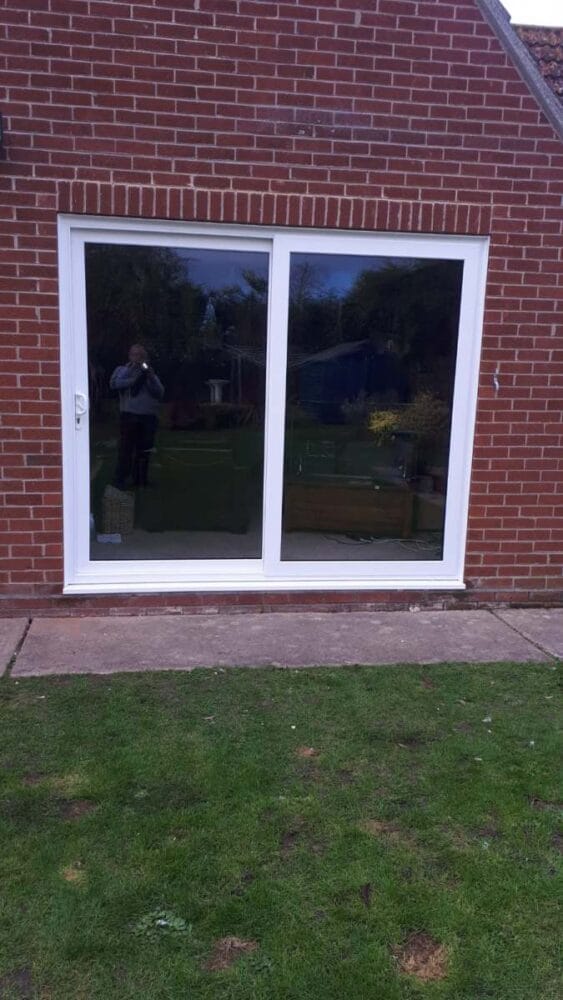
Glazing repair detailDouble glazed windowsReplacement window example
Noise leaks through weak points
Poor seals, dropped hinges, gaps and damaged frames can reduce the benefit of double glazing. Repairing those issues may improve comfort without a full window replacement.
When replacement helps
If the current windows are old, poorly fitted or beyond repair, new double glazing with the right specification may be the better long-term answer.
Can double glazing be repaired instead of replaced?
Often, yes. Misted units, hinges, handles, locks, seals and alignment faults can often be repaired when the frame is sound.
When is replacement the better answer?
Replacement is usually better when the frame, security, finish or long-term performance cannot be restored by targeted repair.
What should I send for a quote?
Send photos, your location, the number of affected windows or doors and whether the property is currently secure.
Request a quote
Get a free, no-obligation quote
Tell us what's wrong and the team will come straight back with the next step — no call-out charge, over-60s discount. For urgent boarding-up, call the office direct.